
The Future of Sustainable Fashion: How Tech is Redefining Luxury Materials
From mushroom leather to lab-grown silk, the intersection of biotechnology and high fashion is creating a new era of sustainable luxury that doesn't compromise on aesthetics.
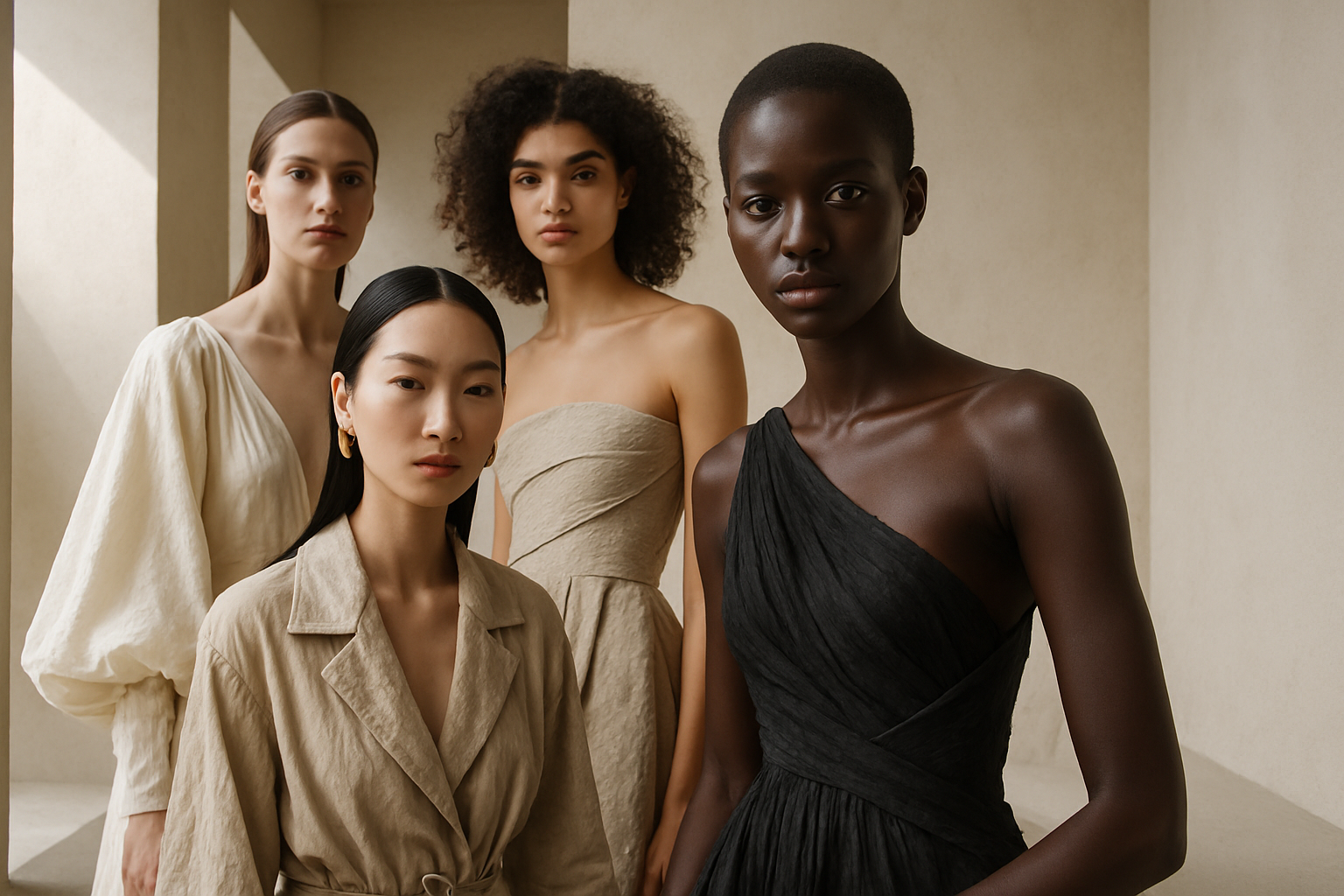
Image: Beaute in Tech Original
The fashion industry stands at a critical juncture. For decades, luxury has been synonymous with excess—rare skins, precious metals, and labor-intensive craftsmanship. But a new definition of luxury is emerging, one that values innovation, sustainability, and ethical production just as highly as aesthetics.
The Biotech Revolution
At the forefront of this shift is biotechnology. Companies like Bolt Threads and MycoWorks are pioneering the use of mycelium—the root structure of mushrooms—to create leather alternatives that rival traditional animal hides in durability and feel. Hermès, a brand known for its uncompromising quality, has already released a bag made from this mushroom-based material, signaling a major shift in the industry's acceptance of bio-fabricated materials.
"We are moving away from the idea that natural means better," says Dr. Sarah Chen, a materials scientist at the London College of Fashion. "Lab-grown materials allow us to control properties like strength, texture, and color with a precision that nature simply cannot match, all while using a fraction of the water and land resources."
Digital Craftsmanship
Beyond materials, technology is reshaping how garments are designed and produced. 3D knitting technology, championed by brands like Uniqlo and Balenciaga, allows for zero-waste production. Garments are knitted in a single piece, eliminating the fabric scraps that typically end up on the cutting room floor.
"The future of luxury isn't just about what you wear, but the story of how it was made. Transparency is the new exclusivity."
Furthermore, digital fashion houses are pushing the boundaries of what clothing can be. The Fabricant, a digital-only fashion house, sells couture pieces that exist only as pixels. While this might seem far-fetched to traditionalists, the rise of the metaverse and digital identity makes virtual fashion a logical next step for the industry.
The Consumer Shift
This technological evolution is being driven by consumer demand. Gen Z and Millennial luxury consumers are far more values-driven than their predecessors. They want to know the provenance of their purchases. Blockchain technology is stepping in to provide this transparency, creating digital passports for luxury goods that track their journey from raw material to retail shelf.
As we look to 2026 and beyond, the convergence of beauty, fashion, and technology will only accelerate. The brands that succeed will be those that can seamlessly blend the heritage of the past with the innovations of the future.